

Less Stress. More Trust. Better Care.
Canine Cooperative Care
Stress-Free Vet, Grooming & Handling Training for Dogs in Adelaide
Does your dog hate nail trims, grooming, or vet visits?
You’re not alone.
Many dogs bark, wriggle, freeze, growl, shut down, or try to escape during care procedures — not because they’re “bad,” but because they feel stressed, worried, or overwhelmed.
Our Canine Cooperative Care program in Adelaide helps dogs learn to feel safer and more comfortable with veterinary handling, grooming, nail trims and other everyday care. Using positive, choice-based training, we teach dogs how to actively participate in their own care rather than simply being restrained or forced through it.
The program is led by Lisa, a qualified veterinary nurse and certified Cooperative Care trainer, with extensive experience in low-stress handling and canine body language.
Cooperative Care training can help with:
✔ Vet visits
✔ Nail trims
✔ Grooming
✔ Medication
✔ Handling & restraint
How Can Cooperative Care Training Help Your Dog?
Cooperative Care training helps dogs build confidence and develop more positive associations with handling and care.
Your dog can learn to:
✔ Feel calmer and safer during vet visits
✔ Participate more comfortably in grooming
✔ Prepare for nail trims without panic
✔ Feel more comfortable being touched and examined
✔ Take medication more easily
✔ Communicate when they need a break
✔ Build confidence with everyday handling
This can make essential care less stressful for your dog — and for the people caring for them.
Who Is Cooperative Care For?
Cooperative Care can benefit:
Puppies learning positive handling skills from the start
Nervous or sensitive dogs
Dogs who already struggle with handling
Dogs who dislike grooming or nail trims
Dogs who find veterinary examinations stressful
Dogs requiring regular medication or ongoing medical care
Owners who want their dog to have more choice and control during care
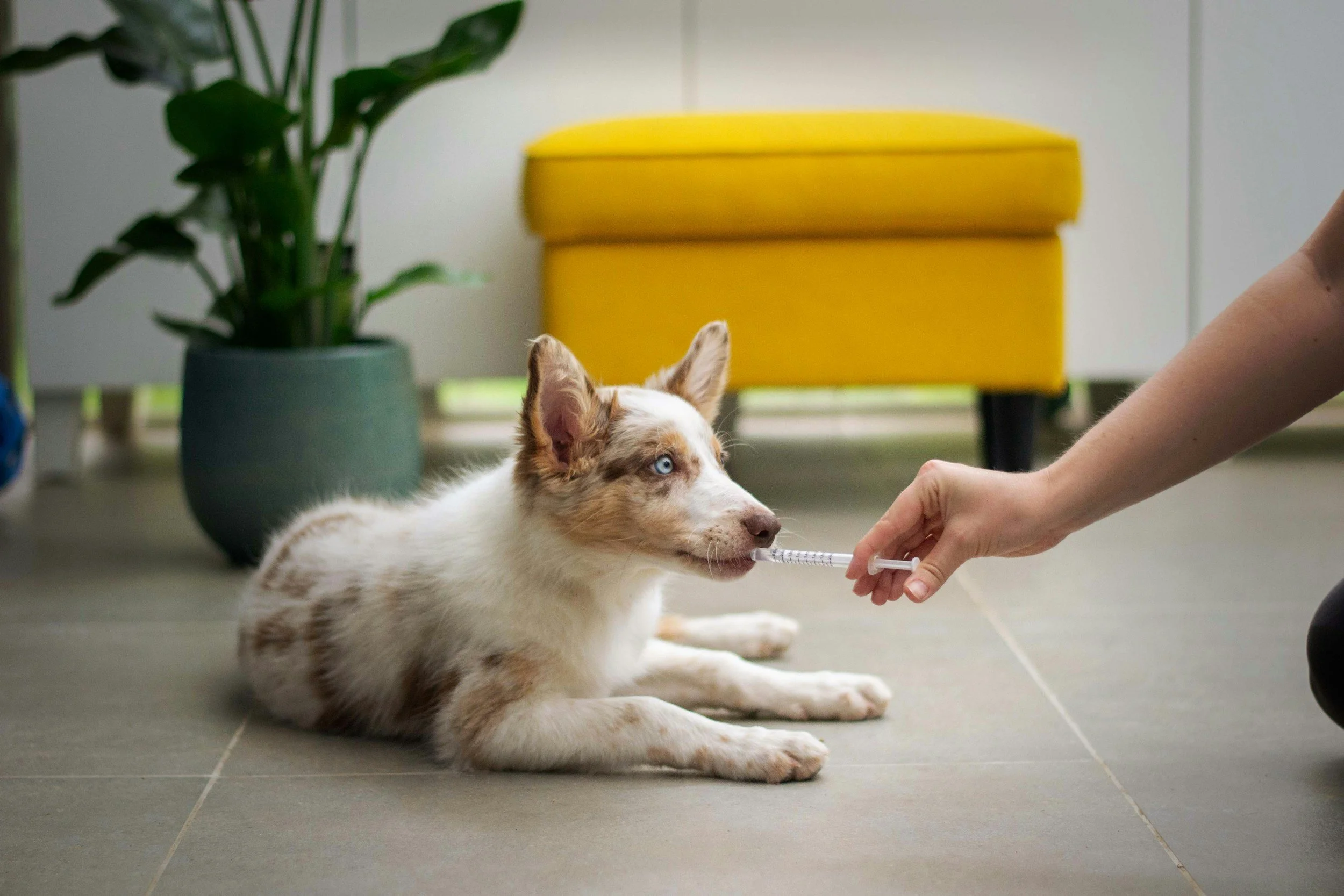
What You and Your Dog Will Learn
Throughout the program, we work on practical skills that can be used during everyday care, grooming and veterinary procedures, including:
Calm handling exercises
Nail trim preparation
Grooming and brushing
Veterinary handling skills
Muzzle training
Consent-based training
Relaxation exercises
Confidence building
Desensitisation and counter-conditioning
Rather than simply teaching your dog to tolerate handling, Cooperative Care focuses on helping them become a willing participant in their own care.
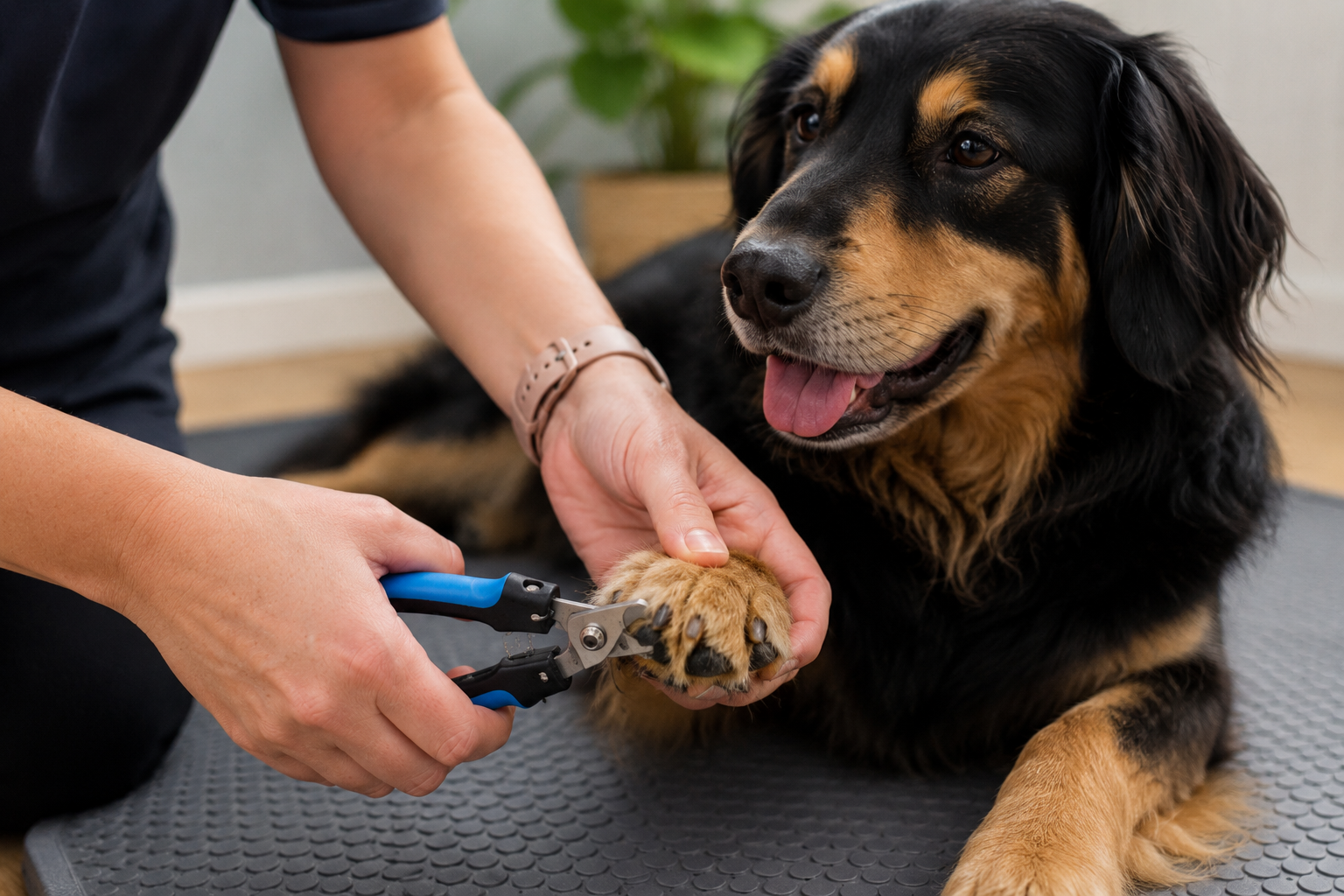
Cooperative Care in Action
Training Paths
-
Small Group Course
Supportive, Structured Learning in a Calm Group Environment
📍 Blackwood Uniting Church
Upcoming Course: TBA
Ideal for dogs who are comfortable working around other dogs and owners wanting guidance in a supportive, instructor-led environment.
With a maximum of just four dogs per class, you’ll receive personalised coaching, individual feedback, and practical support throughout the course.
Your Group Course Includes:
Four × 60-minute in-person classes
One self-paced pre-course activity
Cooperative Care Welcome Pack
Canine Cooperative Care Handbook
Practical handling and training exercises
Guidance from a qualified veterinary nurse and Cooperative Care trainer
Support throughout the course
A calm, supportive learning environment
Investment: $239
Optional Private Follow-Up
Add a 60-minute private in-home follow-up session for $155 after completing the course.This personalised session allows you to troubleshoot challenges, strengthen skills and apply your Cooperative Care training to your dog’s individual needs at home.
-
Private In-Home Course
Personalised Support at Your Dog’s Pace
Start anytime — flexible scheduling available.
The Private Cooperative Care Course provides one-on-one training in your home, allowing your dog to learn at their own pace in a familiar environment.
Private training may be particularly suitable for:
Shy, sensitive or fearful dogs
Dogs who become overwhelmed in group settings
Dogs who are reactive around other dogs
Dogs with more significant handling difficulties
Families wanting fully personalised support
Owners with shift work or limited availability
Dogs needing support with specific real-life care procedures
Your Private Course Includes
Four × 60-minute private in-home sessions
One self-paced pre-course activity
Cooperative Care Welcome Pack
Canine Cooperative Care Handbook
Individualised training tailored to your dog
Practical coaching using real-life care scenarios
Ongoing guidance and support throughout the program
Investment: $560
Cooperative Care FAQs
-
Cooperative Care is a training approach that teaches dogs to voluntarily participate in grooming, veterinary handling and everyday care. Dogs learn predictable behaviours and ways to communicate during procedures, helping them feel more comfortable and in control.
-
Dogs must be at least 4 months old to participate in our Cooperative Care course. Starting positive handling training while dogs are young can help build useful skills and positive associations with care.
-
Yes. Cooperative Care training can help dogs build more positive associations with veterinary handling and learn skills that make examinations and procedures more predictable.
If your dog experiences extreme fear or panic during veterinary handling, please contact us before booking so we can determine whether the group or private program is the most appropriate option.
-
Yes. Nail trim preparation is an important part of Cooperative Care training. We gradually teach dogs to feel more comfortable with paw handling, nail-care equipment and the individual steps involved in nail trimming.
-
Yes. Cooperative Care can be used to prepare dogs for brushing, grooming, handling and other care procedures. Training is broken into manageable steps so dogs can gradually build confidence and positive associations.
-
If your dog has bitten or attempted to bite during handling, grooming or veterinary procedures, please contact us before enrolling.
We can discuss your dog’s individual needs and determine whether private Cooperative Care training or additional preparation would be safer and more appropriate.
-
Any health condition that may be causing pain or discomfort — such as an ear infection, dental disease or musculoskeletal pain — should be assessed and appropriately managed by your veterinarian before beginning handling training.
This helps ensure we aren’t asking your dog to practise handling exercises that may cause pain or create further negative associations.
-
The group course is not suitable for dogs who are reactive towards other dogs in a class environment.
These dogs are better supported through our Private Cooperative Care Course, where the environment and training plan can be tailored to their individual needs.
-
Our small-group Cooperative Care course is held at Blackwood Uniting Church in Adelaide’s southern foothills. Private Cooperative Care training is also available in-home across our service area.

You Don’t Have to Dread Grooming or Vet Visits
With the right training and support, many dogs can learn to feel safer and more comfortable during grooming, veterinary handling and everyday care.
Our goal isn’t simply to “get through” nail trims, vet visits or grooming appointments. We want to help your dog build positive, lasting experiences around handling and care, while giving you practical skills you can continue using throughout their life.
Whether you’re starting early with a puppy or supporting a dog who already finds handling difficult, Cooperative Care can help make everyday care calmer and more predictable for everyone involved.